
How to Compare Two Similar Products the Smart Way
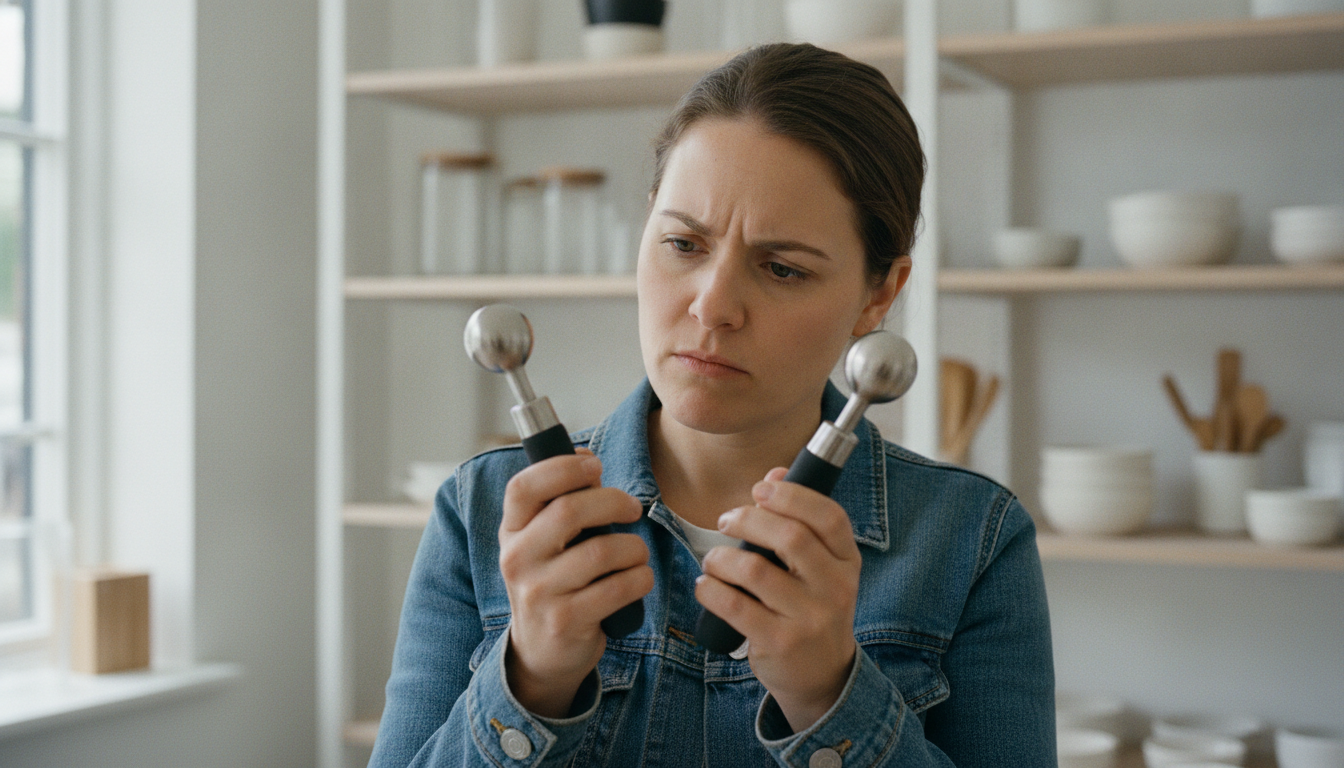
Quick answer: To compare two products, line up their key specs, read honest reviews, and check what each one costs per use. Then compare two products on the features you actually need. The one with the best fit and real value wins, not the one with the most hype.
Key Takeaways
- List the few features that matter most to you before you shop.
- Put both products side by side and compare the same specs.
- Read low star reviews to spot real weak points.
- Judge value by cost per use, not just the sticker price.
- Check return policy and warranty before you buy.
Picking between two products can feel hard. They look alike. The words sound great. But one is usually a better buy for you. The trick is to slow down and compare the right things. Here is a simple way to compare two products without stress.
Why is it smart to compare two products?
Because the better looking option is not always the better buy. When you compare two products, you see past the marketing. You find the real gaps in quality, size, and value.
Also, it saves money. A small difference in features can mean a big difference in price. Sometimes the cheaper one does everything you need. Other times the pricey one lasts longer and costs less over time. You only know this when you look closely.
What should you look at first?
Start with your own needs, not the product. Write down the three or four things that matter most to you. For example, size, battery life, weight, or how easy it is to clean.
Then use that list as your guide. Everything else is a bonus. This keeps you from paying for features you will never use. It also makes it faster to compare two products, because you stop comparing things you do not care about.
- What will I use it for most?
- How long do I want it to last?
- What size or capacity do I need?
- What would make me return it?
How do you compare two products side by side?
Put both options in one view and match up the same details. This is the heart of a good comparison.
Open each product page in two tabs. Line up the specs. Look at the same number on both. For example, weight next to weight, and battery next to battery. If a spec is missing on one page, that is a small red flag. Good sellers share the full details.
Also check the photos closely. Zoom in. Look at the materials, the buttons, and the finish. Pictures often tell you more than the description.
Read the reviews the right way
Reviews are gold when you read them well. Do not just look at the star rating. Read the middle and low reviews first.
Why? Because happy buyers say little. Unhappy buyers tell you exactly what broke. Look for the same complaint over and over. One bad review is noise. Ten saying the handle snaps is a pattern. For general help spotting honest reviews, the FTC shares good tips.
Also watch for fake sounding praise. Short reviews with no detail and tons of five stars can be planted. Trust the ones that mention real use.
How do you judge real value when you compare two products?
Think about cost per use, not just the price tag. A cheap item you replace twice costs more than one good item.
So do the math in your head. If one product lasts years and the other months, the first may be the better deal. This is the smart way to compare two products on value. Price matters, but so does how long it serves you.
Also look at the hidden costs. Does it need batteries, pods, filters, or special parts? Those add up. A low price now can hide a high cost later.
Check the warranty and return window
A strong warranty tells you the maker trusts the product. A short or missing one can be a warning.
Read the return policy too. You want an easy way to send it back if it fails. This matters most when you buy online and cannot touch it first. When you compare two products, a better return policy can be the tiebreaker.
What are common mistakes to avoid?
The biggest mistake is buying on looks alone. A sleek design does not mean better quality. Also, do not trust a sale banner by itself. A marked down price only matters if the item was fairly priced to begin with.
Check the normal selling range across a few sellers first. That way you know if a deal is truly a deal. Prices move, so compare the current asking price in a few spots before you decide.
Here are quick traps to skip:
- Buying because it is on sale, not because you need it.
- Trusting star ratings without reading reviews.
- Ignoring shipping, taxes, or extra parts.
- Skipping the specs because the photo looks nice.
How do you make the final choice?
Go back to your needs list. The winner is the one that checks your top boxes at a fair price. Not the flashiest. Not the cheapest. The best fit.
If the two still feel close, pick the one with better reviews and an easier return. You lose nothing by having a safety net. When you compare two products this way, you buy with confidence instead of guessing.
Take your time. A short pause before you click buy saves money and regret. Compare two products with a clear head, trust your list, and you will land a smart pick almost every time. Happy shopping, and buy only what truly fits your life.
Frequently Asked Questions
How long should I spend to compare two products?
For a small buy, ten minutes is plenty. For a big or costly item, give it an hour or more. Spread it out if you can. Check specs one day, read reviews the next. A short break helps you spot things you missed and avoid buying on impulse.
Should I always pick the cheaper product?
No. The cheaper one wins only if it meets your needs and lasts. Think about cost per use. A low price that breaks fast costs more over time. Compare quality, warranty, and reviews too. Sometimes paying a bit more now saves you money and hassle later.
How many reviews should I read before deciding?
Read enough to spot patterns, usually ten to twenty. Mix in some low and middle star reviews, not just five stars. Look for the same complaint repeated by many buyers. One bad review is just noise. A repeated problem is a real warning sign worth taking seriously.
What if both products have no reviews?
Be careful. No reviews means no proof it works well. Check the seller’s track record and return policy instead. Look for clear specs and real photos. If you can, pick the option with some feedback. Buying an untested product is a gamble, so make sure you can return it.
Do name brands beat cheaper options?
Not always. Some lesser known brands match big names at a lower price. Others cut corners. Judge each product on its specs, reviews, and warranty, not just the name. A trusted brand lowers risk, but you still pay for the name. Compare the actual value every time.
How do I know if a sale price is real?
Check the normal price across a few sellers first. If most charge about the same, the sale is likely real. If the discount looks huge, the starting price may be fake. A true deal is below the usual range, not just below a crossed out number.
For more, see our Product Reviews section.
Prices and availability change often. Always check the current price and the full details on the seller’s own page before you buy.