
How to Plan a Big Purchase Without Overpaying
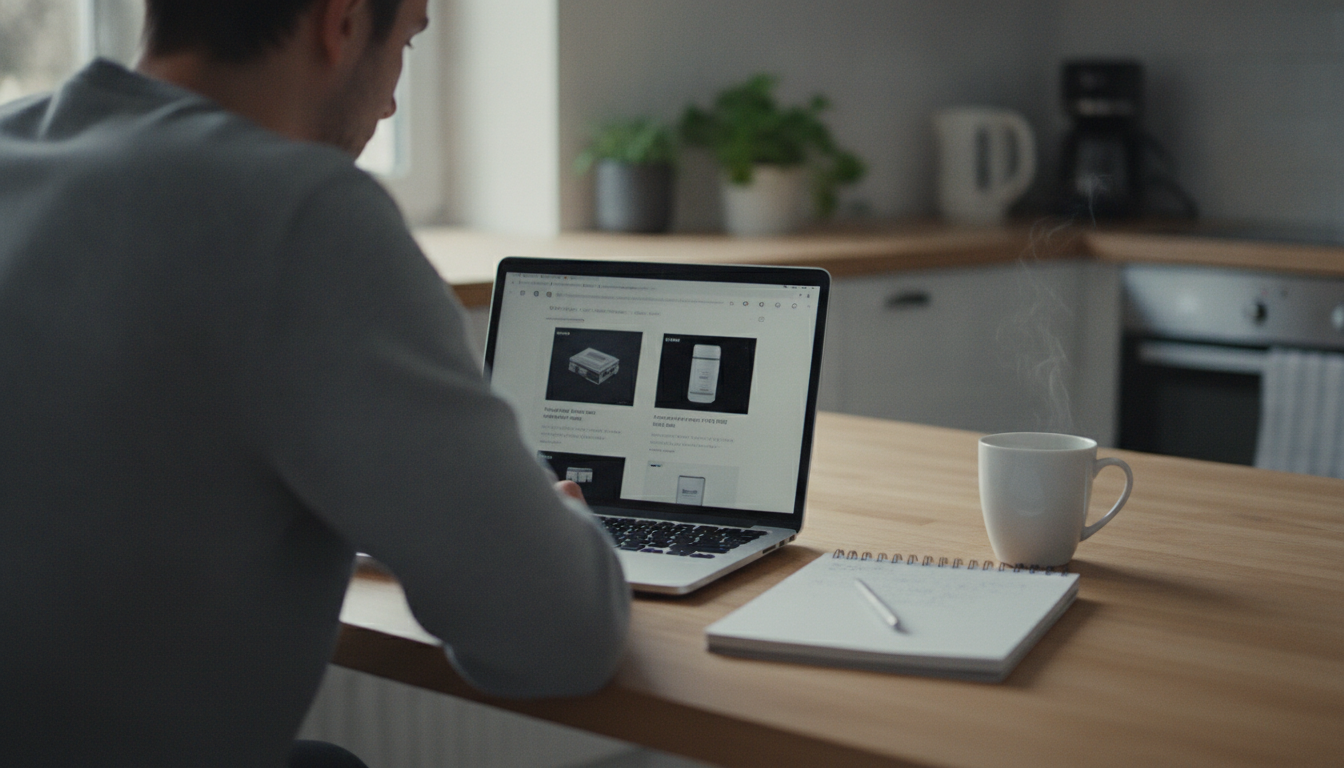
Quick answer: To plan a big purchase, set a clear budget, list what you truly need, and compare a few options side by side. Check reviews, warranty, and return rules. Wait a bit before you buy. This helps you plan a big purchase with less stress and fewer regrets.
Key Takeaways
- Set a budget before you shop, not after you fall in love with a product.
- Compare at least three options using the same features and terms.
- Read real reviews and check return and warranty rules before you buy.
- Waiting a few days often saves money and stops impulse buys.
A big buy can feel exciting and scary at the same time. You want the right thing. You also do not want to waste money. The good news is that a little planning goes a long way. When you plan a big purchase the right way, you spend with a clear head.
Let me walk you through it step by step. No pressure. Just simple habits that work.
What does it mean to plan a big purchase?
To plan a big purchase means you decide what you need before you spend. You set a budget. You compare choices. Then you buy on your own terms, not someone else’s.
A big purchase is anything that costs enough to hurt if you get it wrong. For example, a fridge, a laptop, a couch, or a phone. The size of the number matters less than the impact on your wallet.
How do you plan a big purchase step by step?
Start by writing down what the item must do for you. This keeps you focused. It also stops you from paying for features you will never use.
Here is a simple order that works well:
- Set a budget range you can truly afford.
- List your must have features and your nice to have ones.
- Pick three or four options that fit.
- Compare them using the same details.
- Read honest reviews from real buyers.
- Check return, warranty, and repair rules.
- Sleep on it before you click buy.
Because you have a plan, the choice gets easier. You are no longer guessing. You are matching a product to your real needs.
Why does setting a budget first matter?
Setting a budget first matters because it protects you from upsells and shiny extras. When you know your number, you shop inside it.
Think about the full cost, not just the sticker. Also add in shipping, setup, taxes, and any add ons. A low price can turn into a big bill once the extras pile on. For example, a cheap printer can cost more over time if the ink is pricey.
However, do not only chase the lowest price. The cheapest option sometimes breaks fast. That costs more in the end. The goal is good value, which means a fair price for what you get.
How do you compare options the smart way?
Compare options by lining them up with the same features side by side. This makes the real differences clear.
Open a simple note or a spreadsheet. List each product in a row. Then add columns for the things you care about. For example, size, warranty, and reviews. When you see it all at once, the best fit often jumps out.
Also watch for small print. A longer warranty can beat a slightly lower price. Free returns can save you if the item is wrong. These details matter when you plan a big purchase.
To shop safely, learn how to spot common tricks and scams. The FTC consumer site shares clear tips on avoiding bad deals and fake offers.
How do you judge if a deal is real?
You judge a deal by checking the normal price over time, not just the sale tag. A discount only helps if the starting price was fair.
Track the price for a little while before you buy. Many items go up and down often. If a price feels too good, slow down and look closer. Read the product details twice. Make sure you are getting the model you actually want.
Also check who is selling it. Buy from sellers with clear contact info and real reviews. A low price from a shady seller is not a bargain.
Why waiting helps you plan a big purchase
Waiting helps because it cuts out impulse buys. When you pause, the urge to spend often fades.
Try a short waiting rule. Put the item in your cart and leave it for a few days. If you still want it, and it still fits your budget, go ahead. Many times you will find a better choice, or decide you do not need it at all.
This simple habit saves real money. It also gives sales and restocks time to appear. Patience is a quiet superpower when you plan a big purchase.
What should you check before you click buy?
Before you buy, check the return window, the warranty, and the reviews one last time. These three things protect you if something goes wrong.
Read a mix of good and bad reviews. The one star notes often reveal real problems. Look for patterns, not just single complaints. For example, if many buyers mention the same flaw, take it seriously.
Finally, save your order details and receipt. Keep them in one folder. If you need a refund or repair later, you will be glad you did.
Make your next big buy a smart one
Planning does not take long. A few minutes of thought can save you a lot of money and stress. Set your budget, compare with care, and never rush. When you plan a big purchase this way, you buy with confidence. Now go shop smart and enjoy what you choose.
Frequently Asked Questions
How long should I wait before making a big purchase?
A few days is a good rule for most big buys. Waiting cools off impulse urges and gives you time to compare. For very large items, a week or more helps. If you still want it after waiting, and it fits your budget, go ahead with confidence.
How many options should I compare before buying?
Compare at least three options. This gives you enough range to spot real differences in price, features, and quality. Too few and you may miss a better choice. Too many and you get stuck. Three or four strong picks is usually the sweet spot for a clear decision.
Is the cheapest option always the best value?
No. The cheapest option can break faster or lack key features. Value means a fair price for what you get, including warranty and durability. Sometimes paying a little more saves money over time. Judge the full cost and quality together, not just the sticker price.
What extra costs should I plan for in a big purchase?
Plan for shipping, taxes, setup, and any add ons like accessories or supplies. Also think about long term costs, such as ink, filters, or batteries. These extras can make a cheap item expensive later. Add them up before you decide so there are no surprises.
How do I know if a sale price is actually good?
Track the normal price over time before you buy. A discount only helps if the starting price was fair. Watch the item for a little while to learn its usual range. If a deal looks too good, slow down and check the seller and model carefully.
Should I buy an extended warranty on a big purchase?
It depends on the item and how long it usually lasts. Check what the standard warranty already covers. For items that rarely break, an extended warranty may not be worth it. For costly repairs or heavy daily use, it can give peace of mind. Read the terms first.
For more, see our Trends & Buying Tips section.
Prices and availability change often. Always check the current price and the full details on the seller’s own page before you buy.