
Beginner Guide to Buying a Camera That Fits You
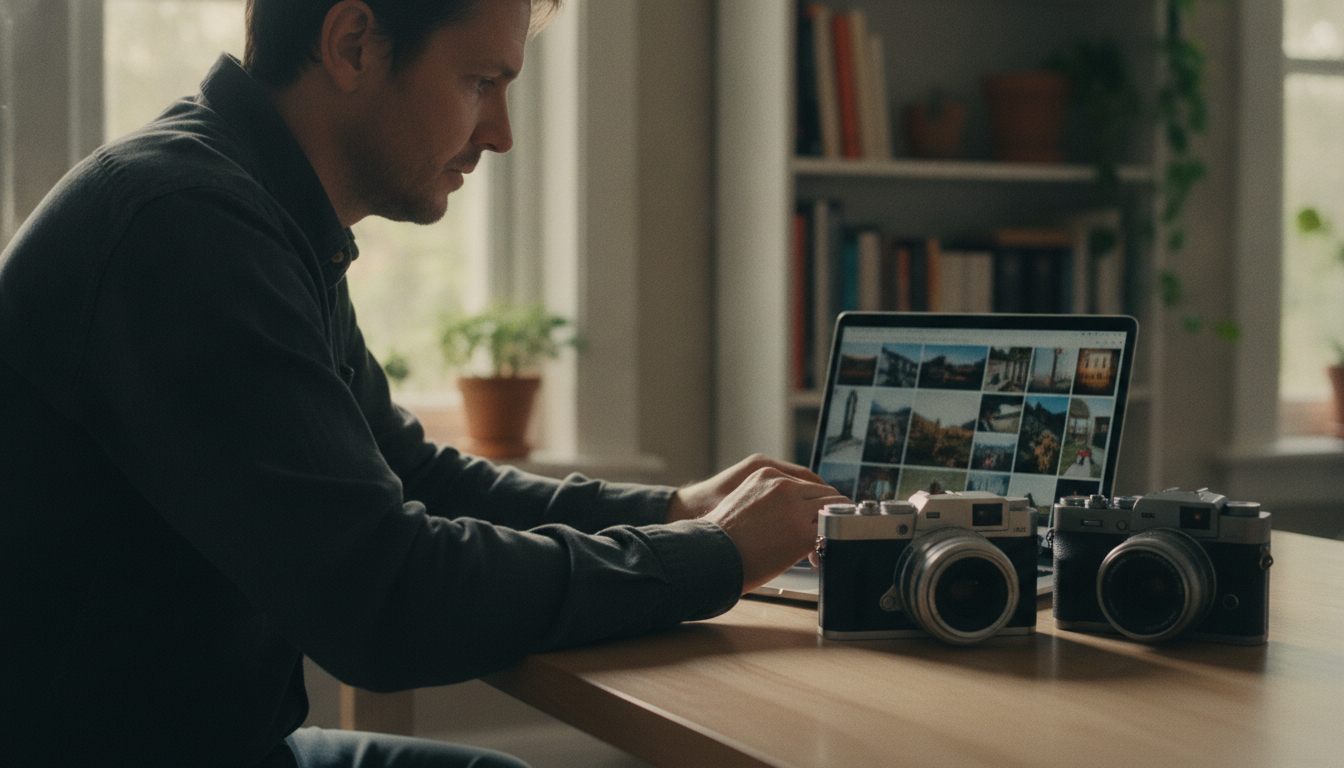
Quick answer: When buying a camera, match the type to how you will use it, then compare sensor size, lens options, and real photo samples. Set a firm budget, read honest reviews, and buy from sellers with clear return policies so you can test it first.
Key Takeaways
- Pick a camera type based on your main use, not on the highest specs.
- Sensor size and lens choices matter more than megapixel count.
- Always compare real photo samples before buying a camera.
- Buy from sellers with clear return and warranty policies.
- Used gear can save money if it is tested and comes with a return window.
What should you know before buying a camera?
Before buying a camera, think about how you plan to use it. That one choice guides everything else. A camera for family photos is not the same as one for travel or video.
Many new buyers chase big numbers. But more megapixels do not always mean better photos. Because of that, it helps to slow down and ask simple questions first.
Ask yourself what you will shoot most. Also ask how much you want to carry. A smaller camera gets used more often. A heavy one often stays home.
What types of cameras are out there?
There are a few main camera types, and each fits a different kind of shopper. Knowing them makes buying a camera much easier.
- Point and shoot: Small and simple. Great for casual snaps.
- Mirrorless: Compact bodies with swappable lenses. A popular pick today.
- DSLR: Larger and sturdy, with lots of used lenses around.
- Action cameras: Tough and tiny, made for motion and sports.
- Phone cameras: Already in your pocket and very capable.
For example, if you mostly share photos online, your phone may be enough. However, if you want more control, a mirrorless body is a smart start.
Why does sensor size matter more than megapixels?
Sensor size usually affects photo quality more than megapixel count. A bigger sensor gathers more light, so your photos look cleaner in dim rooms.
Megapixels mostly change how large you can print or crop. Most people never need huge numbers. Because of that, a camera with a bigger sensor and fewer megapixels often beats the reverse.
Also think about lenses. The lens shapes your image as much as the body does. A system with many affordable lenses gives you room to grow later.
How do you judge value when buying a camera?
To judge value, compare the full package, not just the body price. A cheap body with pricey lenses can cost more over time.
Look at what comes in the box. Does it include a lens, a charger, and a memory card? Those extras add up. Also check the cost of spare batteries, since cheap batteries can fade fast.
Read real reviews from owners, not just ads. Look for comments about battery life, menus, and comfort. These small things decide whether you enjoy the camera day to day. For broad buying advice, Consumer Reports is a solid place to start.
How can you compare cameras the smart way?
The smartest way to compare is to look at real photo samples side by side. Many review sites post sample galleries you can study for free.
Zoom in on details. Check how colors look. See how the camera handles shadows and bright skies. This tells you more than any spec sheet.
Here is a simple routine when buying a camera:
- List your top three uses.
- Pick two or three bodies that fit.
- Compare sample photos from each.
- Check lens prices for each system.
- Read owner reviews for comfort and reliability.
Take your time. A patient buyer almost always gets a better deal.
Should you buy new or used?
Used gear can be a great deal, but only with care. Cameras last a long time, so a gently used body can save real money.
Check the shutter count if you can. It works like mileage on a car. Also look for scratches on the sensor and lens glass.
Buy from sellers who allow returns. That way you can test the camera at home. If it skips, jams, or shows spots, you can send it back. Because returns protect you, never skip that step.
How do you avoid overpaying while buying a camera?
To avoid overpaying, set a firm budget before you shop, then stick to it. Prices move often, so patience pays off.
Watch the same model across a few sellers. Prices can swing between stores and over time. Sales come and go, so there is no rush.
Beware of bundles that pad the price with cheap extras. A kit full of filler items can cost more than a clean body and a good lens. Count only what you will truly use.
Also, check the return and warranty terms before you pay. A good policy is part of the value. If a deal seems too good, slow down and read the fine print.
Ready to shop smart?
Buying a camera does not need to feel hard. Match the type to your life, compare real samples, and respect your budget. Do that, and you will find a camera you love using. Take your time, trust honest reviews, and shop smart.
Frequently Asked Questions
What is the best camera type for a total beginner?
For most beginners, a mirrorless camera with a kit lens is a great start. It stays compact, lets you swap lenses later, and offers simple auto modes. However, if you mostly share online, your phone may already do the job well enough.
Do I need a lot of megapixels?
No, most people do not need high megapixel counts. Megapixels mainly affect large prints and heavy cropping. A camera with a bigger sensor and fewer megapixels often takes cleaner photos, especially in low light. Focus on sensor size and lens quality instead.
Is it safe to buy a used camera?
Yes, buying used can be smart and save money. Check the shutter count, inspect the lens and sensor, and test all buttons. Most importantly, buy from a seller who allows returns, so you can confirm everything works before you commit to keeping it.
How much should I spend on my first camera?
Spend only what fits your budget and your real needs. Beginners rarely need top end gear. Set a firm limit that covers the body, one good lens, a spare battery, and a memory card. Avoid stretching for features you may never use.
Should I buy a camera bundle?
Bundles can be good or bad. A bundle with a quality lens and a case adds real value. However, many bundles pad the price with cheap filler items you will not use. Count only the parts you truly need and compare the total cost.
What accessories do I actually need?
Start simple. You need a memory card, a spare battery, and a basic cleaning cloth. A sturdy strap and a small bag help too. Skip fancy extras at first. Once you know your habits, you can add gear that fits how you shoot.
For more, see our Shopping Guides section.
Prices and availability change often. Always check the current price and the full details on the seller’s own page before you buy.