
How to Pick Running Shoes That Fit Right
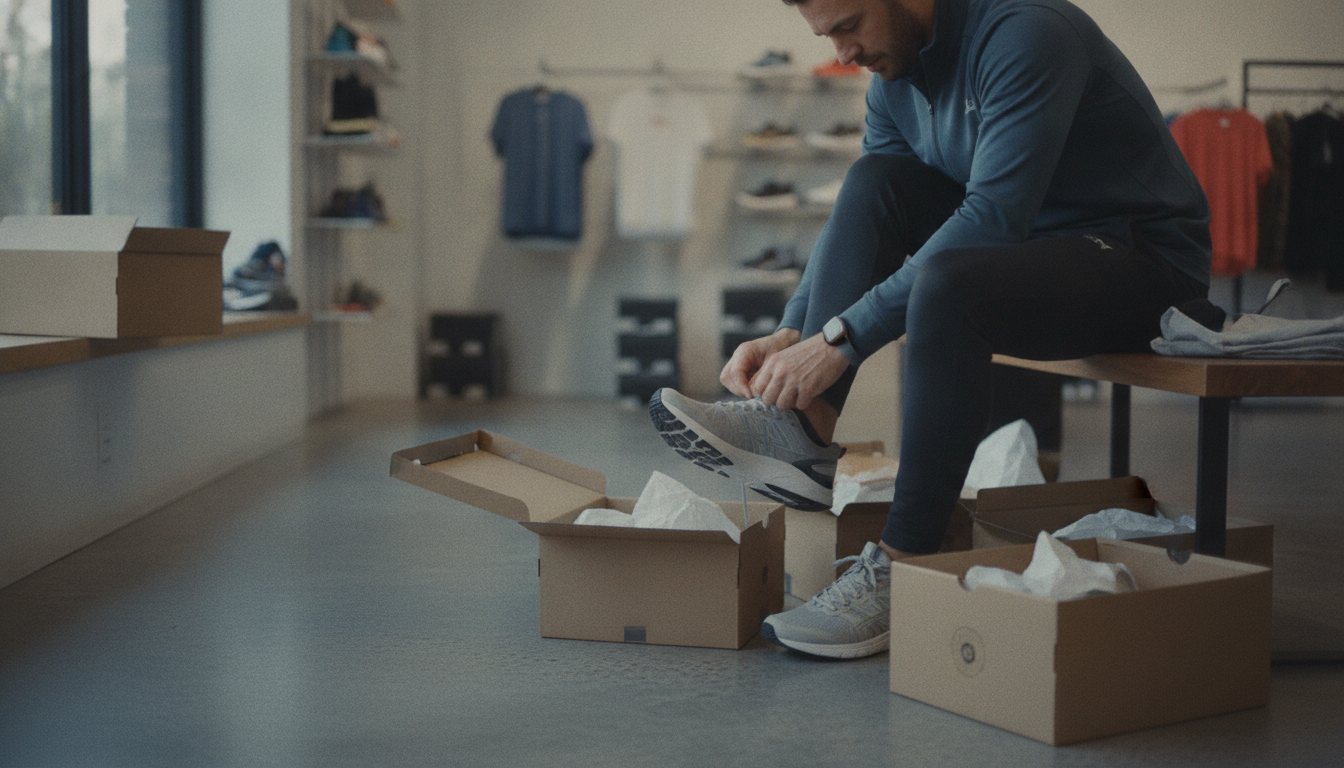
Quick answer: To pick running shoes that fit, measure both feet late in the day, leave a thumb width of room at the toes, and test them with running socks. Good running shoes that fit feel snug at the heel, loose at the toes, and comfortable right away with no break in needed.
Key Takeaways
- Running shoes that fit feel snug at the heel and roomy at the toes with about a thumb width of space.
- Shop later in the day when your feet are a bit swollen for the most honest fit.
- A good pair feels comfortable right away and should not need a break in period.
- Compare fit, cushioning, and return policy before you judge the price.
Why do running shoes that fit matter so much?
Running shoes that fit protect your feet, knees, and good mood on every run. The wrong pair rubs, pinches, or slides. That leads to blisters and sore spots. The right pair feels like part of your foot. You stop thinking about your shoes and just run.
Also, fit matters more than looks or hype. A popular shoe can still feel bad on your foot. Everyone’s feet are different. So the best pair is the one that fits you, not the one with the biggest ads.
How do you measure your feet the right way?
Measure both feet before you shop, because most people have one foot that is a little bigger. Fit the shoe to the larger foot.
Here is a simple way to check your size:
- Measure late in the day, since feet swell as you move.
- Stand up while you measure, not sit, so your foot spreads.
- Measure length and width, because width is just as important.
- Wear the socks you plan to run in.
Sizes also change from brand to brand. For example, one maker’s size nine may run small while another runs big. So trust the actual fit, not just the number on the box.
What makes running shoes that fit feel right?
Good running shoes that fit feel snug at the heel and roomy at the toes. Your heel should not slip when you walk. But your toes need space to spread and move.
Leave about a thumb width between your longest toe and the front of the shoe. That extra room helps on long runs when your feet swell. The shoe should also hug your midfoot without squeezing. If you feel pressure on the sides, the width is wrong.
Most important, a good pair feels comfortable right away. You should not need to break them in. If they hurt in the store, they will hurt on the road.
How do you test fit when buying online?
When you buy online, lean on reviews and the return policy to judge fit. You cannot try before you buy, so the return window becomes your safety net.
Check what other runners say about sizing. Many will tell you if a shoe runs small, large, narrow, or wide. Read several reviews, not just one. Look for people with feet like yours. Also, check if the seller offers free returns. A brand that lets you run in them for a few days shows real confidence. For more on smart online shopping and your rights, see Consumer.gov.
How do you compare value without overpaying?
Compare fit, cushioning, and return policy first, then look at price. A cheap shoe that hurts is a waste. A pricey shoe that fits can still be worth it. So judge the whole package.
Here are a few tips to get more for your money:
- Look at older models, because last season’s version often costs less and runs almost the same.
- Sign up for store emails to catch sales on the pair you already want.
- Compare the same shoe across a few sellers before you buy.
- Watch for free shipping and free returns, since those add real value.
However, do not chase the lowest price alone. A great deal on the wrong fit helps no one. Running shoes that fit well and last are the true bargain.
How often should you replace them?
Replace your shoes when the cushion feels flat or your feet start to ache after runs. Worn shoes lose support over time, even if they still look fine.
Pay attention to how they feel, not just how they look. Pressing a thumb into flat, hard foam is a sign they are tired. Also, uneven wear on the sole can change how you run. When you shop again, repeat the same fit steps. Your size can change over the years.
A quick checklist for running shoes that fit
Before you pay, run through this short list. First, check heel grip. Second, check toe room. Third, check width. Fourth, walk or jog a few steps. Fifth, read the return policy.
If all five feel right, you likely found running shoes that fit. Trust comfort over trends. Your feet know best.
Shop slow, test the fit, and keep your receipt. A little care now saves sore feet later. Happy running, and shop smart.
Frequently Asked Questions
What time of day should I try on running shoes?
Try on running shoes later in the day. Your feet swell as you walk and stand, so they are at their largest by afternoon or evening. Shoes that fit when your feet are swollen will feel right on long runs too. Morning fittings often end up too tight.
How much toe room do running shoes that fit need?
Running shoes that fit need about a thumb width of space between your longest toe and the front. That extra room lets your feet swell and your toes spread during a run. Too little room causes black toenails and blisters. Too much room lets your foot slide forward.
Should running shoes feel tight or loose?
They should feel snug at the heel and midfoot but loose at the toes. Your heel should stay put with no slipping. The toe area needs wiggle room. If the sides squeeze or the top presses down, the shoe is too tight. Comfort right away is the goal.
Is it safe to buy running shoes online?
Yes, if you check sizing reviews and the return policy first. Read what other runners say about whether a shoe runs small or wide. Pick sellers with free returns so you can test fit at home. If they do not feel right, send them back before the window closes.
Do more expensive running shoes fit better?
Not always. Price does not decide fit, your foot shape does. A costly shoe can still rub or pinch, while a budget pair may feel perfect. Focus on heel grip, toe room, and width first. Then compare prices across sellers and look at older models to save money.
How do I know when to replace my running shoes?
Replace them when the cushion feels flat or your feet ache after runs. Worn foam loses support even if the shoe looks fine. Press a thumb into the midsole to check. Uneven sole wear is another clue. Then repeat the fit steps, since your size may have changed.
For more, see our Shopping Guides section.
Prices and availability change often. Always check the current price and the full details on the seller’s own page before you buy.