
Simple Guide to Buying a Washing Machine
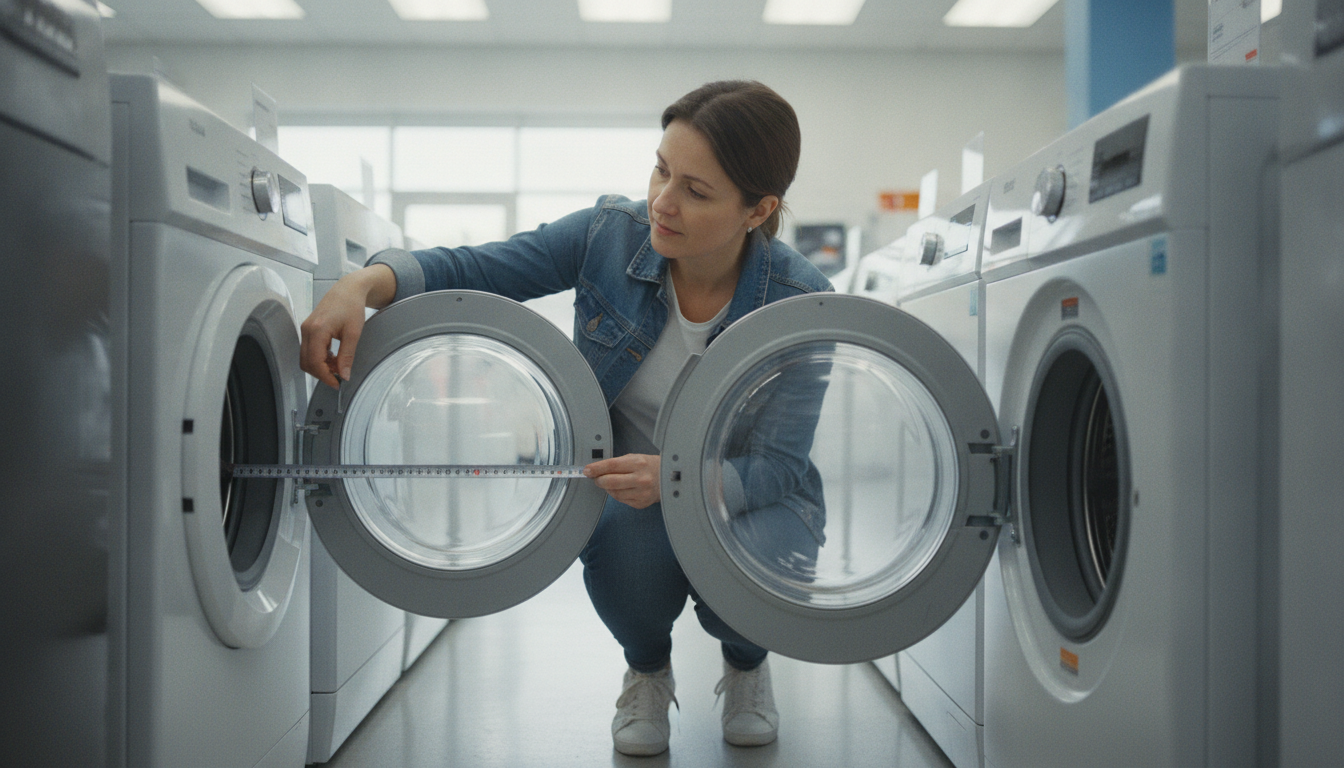
Quick answer: Buying a washing machine starts with your space, load size, and budget. Measure the spot first. Then pick top load or front load, check capacity and energy use, and compare warranties. Read real owner reviews before you decide. That way you avoid overpaying for extras you will not use.
Key Takeaways
- Measure your space and doorways before buying a washing machine so it fits.
- Front load washers often clean well and use less water, but cost more upfront.
- Bigger capacity is handy, but a too large drum wastes energy on small loads.
- Check the warranty and read owner reviews to judge real long term value.
What should you know before buying a washing machine?
Start with your space, your laundry size, and your budget. A washer is a big buy. You will use it for years. So a little planning saves you money and stress.
Before buying a washing machine, grab a tape measure. Check the width, depth, and height of the spot. Also measure doorways and hallways. A washer that will not fit through the door is a real headache. Leave a few inches around the sides for air and hoses.
What type should you pick when buying a washing machine?
The two main types are top load and front load. Each one has trade offs.
Top load washers are easy to load. You do not bend down. They often cost less upfront. Some have a center post. Others have a flat drum that fits bigger items.
Front load washers usually clean well and use less water. They are gentle on clothes. However, they often cost more at the start. You bend down to load them. For small spaces, you can stack a dryer on top.
Think about how you do laundry. For example, if you dislike bending, a top load may suit you. Because both types clean fine, pick the one that fits your home and habits.
How do you judge capacity and size?
Capacity means how much the drum holds. Bigger is not always better.
A large drum lets you wash bedding and big loads at once. That saves time. However, a too big washer wastes energy and water on small loads. Match the size to your family. A single person needs less than a big household.
- Small loads most days? A medium drum works fine.
- Big family or bulky bedding? Go larger.
- Tight space? A compact washer may be the smart pick.
Also check the door opening. A wide opening makes loading easier. Little things like that matter every week.
Which features are worth paying for?
Only pay for features you will actually use. Many fancy settings sit unused for years.
Useful basics include a few wash cycles, a delay start, and a good spin speed. A higher spin speed pulls out more water. That means less drying time. A quiet motor helps if the washer sits near living space.
Skip extras you will ignore. Dozens of cycles sound nice, but most people use three or four. Steam settings and app control are handy for some. For others, they are just extra cost. When buying a washing machine, ask yourself if a feature saves real time or money.
How do you compare energy and water use?
Look at the energy label. It shows how much power and water the washer uses.
An efficient washer costs less to run over the years. That saving adds up. A cheaper machine that guzzles water and power can cost more in the long run. So weigh the sticker price against running costs.
Front load models tend to use less water. Many top load models have improved too. Compare labels side by side. For honest ratings and buying help, visit Consumer Reports. Independent reviews help you cut through sales talk.
How do you avoid overpaying?
Compare the same model across a few sellers before you buy. Prices shift, so a quick check pays off.
Here are smart habits to use:
- Note the exact model number and compare it everywhere.
- Factor in delivery, haul away of the old unit, and hookup fees.
- Watch for sales around holidays and seasonal clear outs.
- Read owner reviews for repair and noise complaints.
Also check the warranty. A longer warranty on the motor and drum shows the maker trusts the build. Short warranties can be a warning sign. When buying a washing machine, the cheapest option is not always the best value.
Why do reviews matter when buying a washing machine?
Reviews show you how a washer holds up after months of use. That is the real test.
Look for patterns, not one off complaints. If many owners mention leaks or loud spins, take note. Also look at how the brand handles repairs. Good support saves you money later. Reading reviews is a free step that protects a big purchase.
Finally, think about the fit for your life. A washer should match your space, your loads, and your budget. Take your time. A careful choice now means fewer regrets later.
Shop smart, measure twice, and compare before you buy. The right washer is out there for you.
Frequently Asked Questions
Is a front load or top load washer better?
Neither is best for everyone. Front load washers often clean well and use less water, but cost more and sit lower. Top load washers are easier to load and often cheaper upfront. Pick the type that fits your space, your budget, and how you like to do laundry.
What size washing machine do I need?
Match the drum size to your household. A single person or couple can use a medium capacity washer. A big family or someone who washes bedding often needs a larger drum. Avoid going too big, since large washers waste energy and water on small loads.
How much should I spend on a washing machine?
Set a budget based on your needs, not just the lowest sticker price. Factor in delivery, hookup, and running costs over the years. A slightly pricier, efficient model can save money long term. Compare the same model across sellers so you do not overpay.
What features actually matter in a washer?
Focus on a good spin speed, a few useful cycles, a delay start, and quiet running. A high spin speed cuts drying time. Skip extras like dozens of cycles or app control unless you will truly use them. Pay only for features that save real time or money.
Does energy efficiency really save money?
Yes, over time it does. An efficient washer uses less water and power, which lowers your bills each year. A cheap machine that uses a lot can cost more in the long run. Check the energy label and compare running costs, not just the price.
Should I buy an extended warranty?
Check the standard warranty first, especially on the motor and drum. A longer built in warranty shows the maker trusts the machine. An extended plan may help for pricey models, but read what it covers. Often, buying from a reliable brand matters more than extra coverage.
For more, see our Shopping Guides section.
Prices and availability change often. Always check the current price and the full details on the seller’s own page before you buy.